Free Motion Quilting Tips: Fixing Skipped Stitches on Fusible Web Quilts
Ever start free-motion quilting a project made with fusible web and suddenly get skipped stitches? It happens! Quilting through adhesive layers can confuse even the best machines. There are ways to fix this fast!
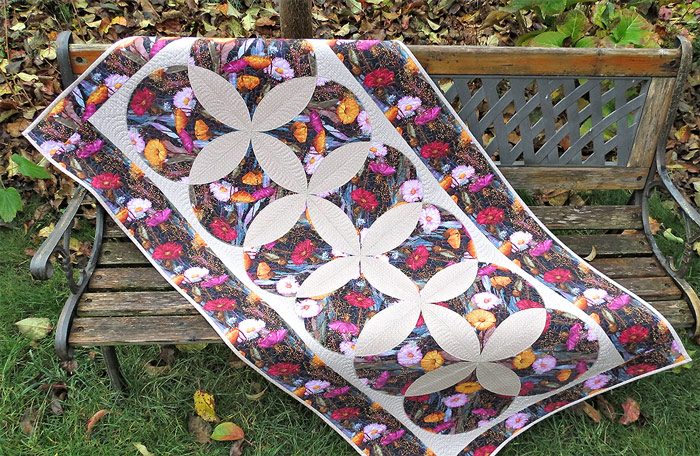
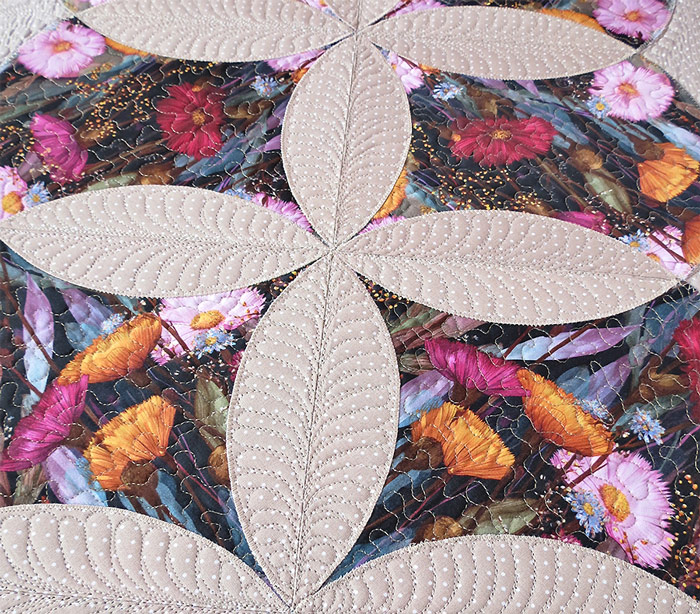
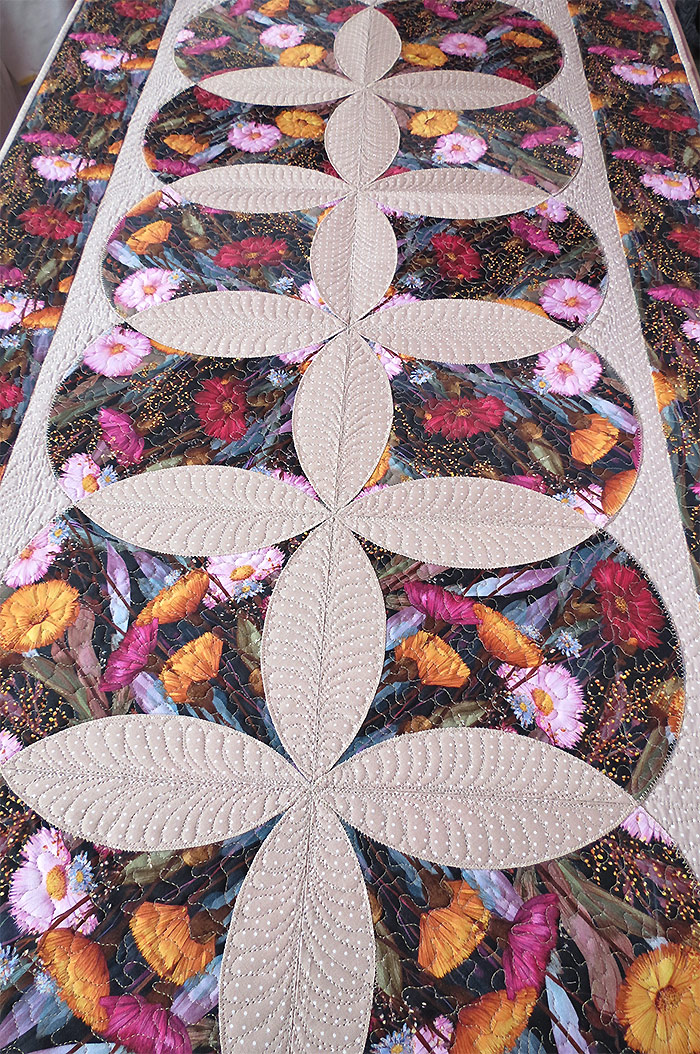
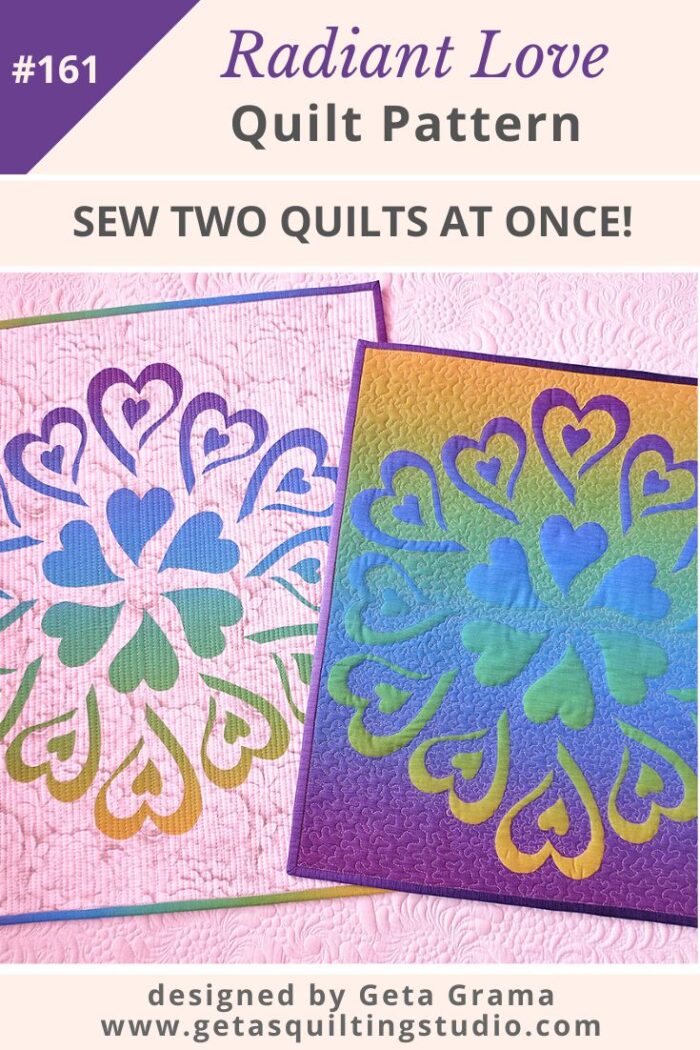
Here is my latest quilt (pattern here), made with fusible web. The moment I began quilting through the fusible web, skipped stitches started popping up all over.
NOTE
The quilt measures about 27” x 50”, and at this size, free-motion quilting is an absolute pleasure!
You may also like:
Free Motion Quilting- burning questions answered!
My secret for EASY free motion quilting
Tips for Successful Fusible Raw Edge Applique Quilts
TRENDING patterns



💡 Why Skipped Stitches Happen?
Skipped stitches mean your machine’s hook didn’t catch the top thread. When fusible web is in the quilt, that loop can be harder to form because:
- The adhesive adds stiffness, making it harder for the needle to pierce smoothly.
- Glue sticks to the needle, adding drag.
- Heat from quilting can soften the fusible and make it gummy
- Tension or speed changes can make loops form inconsistently.
So don’t worry — it’s not your quilting skill! You need a certain setup!
Best Needles for Quilting Through Fusible Web
Choosing the right needle makes a world of difference. Try one of these:
- Microtex (Sharp) 90/14 or 100/16
Pierces cleanly through fused fabrics. - Topstitch 90/14 or 100/16
Great for thicker threads. - Super NonStick 90/14 or 100/16
Keeps glue from sticking. - Jeans (Denim) 90/14 or 100/16
Strong and stable; this is what I always use, and from my experience, it works way better than the topstitch needle.
🧵 Fusible web can dull the needle quickly, so you may need to change the needle more frequently than usual.
⚖️ Quick Fixes for Skipped Stitches
- Adjust your thread tension– this is very important and helps a lot!
Test your stitching before starting on a small fused sample.
This one little change was all it took to solve my problem (I was already using a jeans needle). - Clean the needle often.
A quick wipe with rubbing alcohol keeps glue from building up. - Use quality thread.
Smooth cotton or polyester quilting thread gives more consistent tension. Also, using the same thread in the needle and bobbin improves the quality of the stitching. - Keep your motion steady.
Smooth, even movements help stitches form consistently.
Have you seen this new pattern?
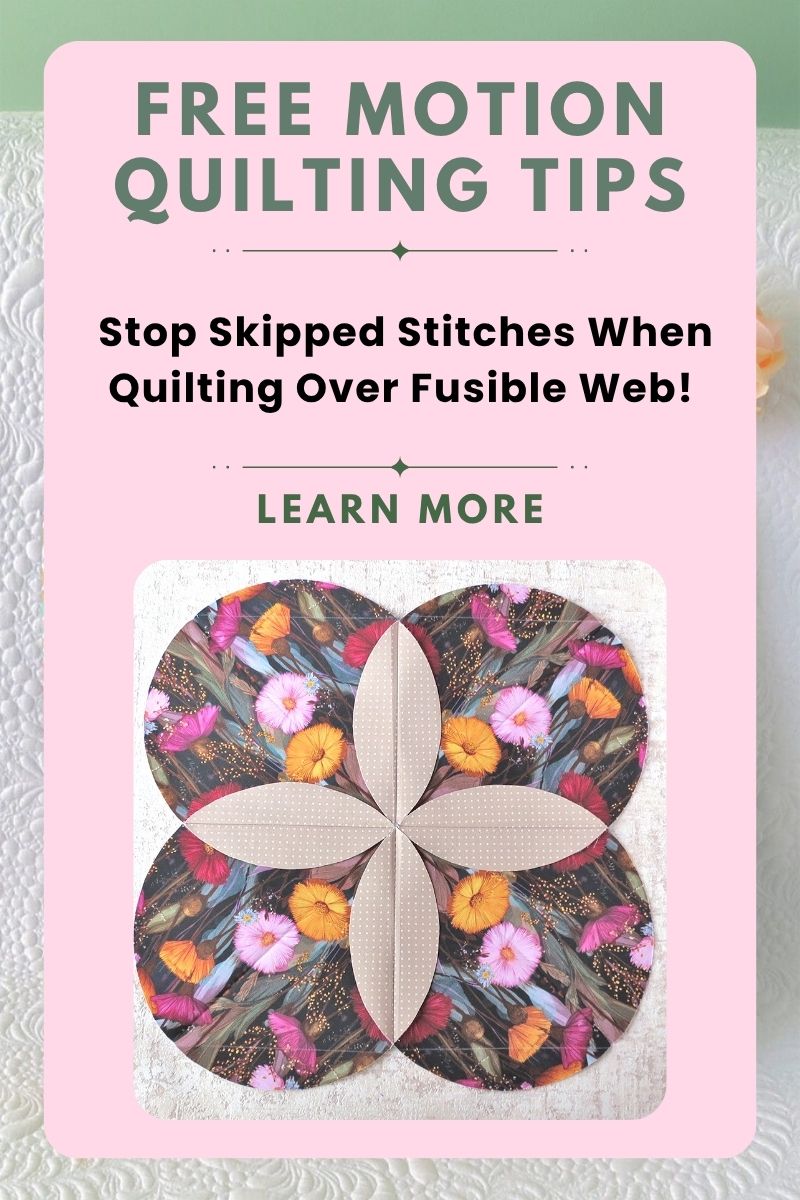
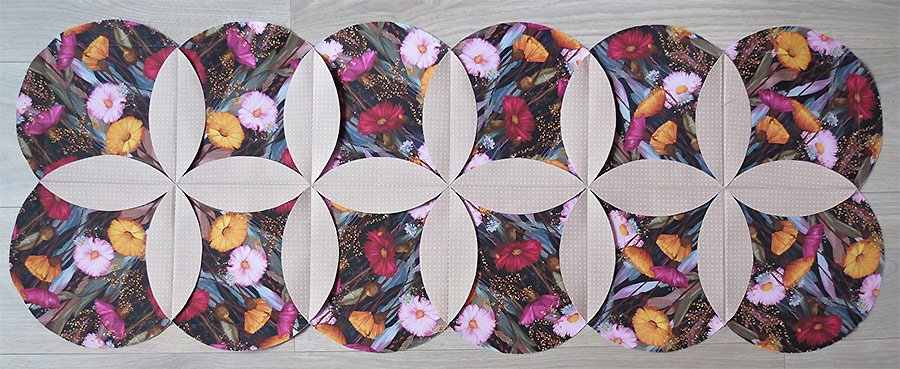
With these fussy cut folded flowers you can embelish totes, sew pillows or table runners, make coasters, placemats, or festive decorations.
PIN FOR LATER USE