
What I Learned the Hard Way About Using Fabric Glue
I recently ruined a project because I didn’t really understand how fabric glue works!
Not because I used the “wrong” glue, but because I didn’t give it the time and conditions it needed to do its job.
While working on these stars, I had to do my homework and learn how to use glue properly. If you’ve ever felt frustrated by pieces coming apart, this might save you from making the same mistake.
Not All Fabric Glue Is Permanent — and That’s Okay
I knew this already, but it’s worth repeating: not all fabric glue is meant to be permanent.
For these projects, I used a regular fabric glue that is not labeled “permanent”. That kind of glue can work perfectly well — if you respect its limits. It’s suitable for seasonal projects, but it needs time. Rushing the drying steps almost guarantees failure.
Fabric glue needs pressure (I add a big stack of books on top) and patience – moving the piece too soon can prevent the bond from forming properly.
Drying Time Is Not Optional
This was one of the mistakes that ruined my project (and yes, there were several)!
I thought the glue was “dry enough,” moved on too quickly, and the bond weakened before it ever had a chance to set. With fabric glue, drying time is part of the process, not an afterthought.
If a step says “let dry for 10 minutes,” it’s not a suggestion. And for some glues, especially non-permanent ones, longer is better.
My rule now: if I think it’s dry, I wait a little longer!
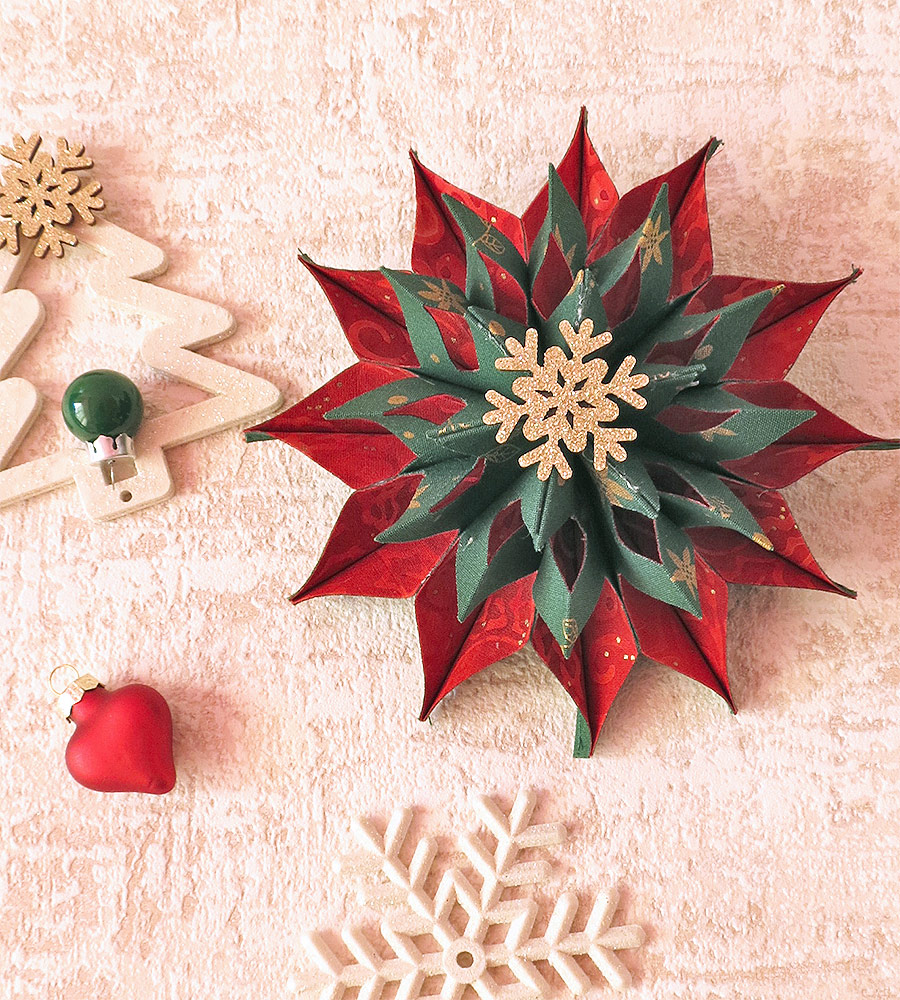
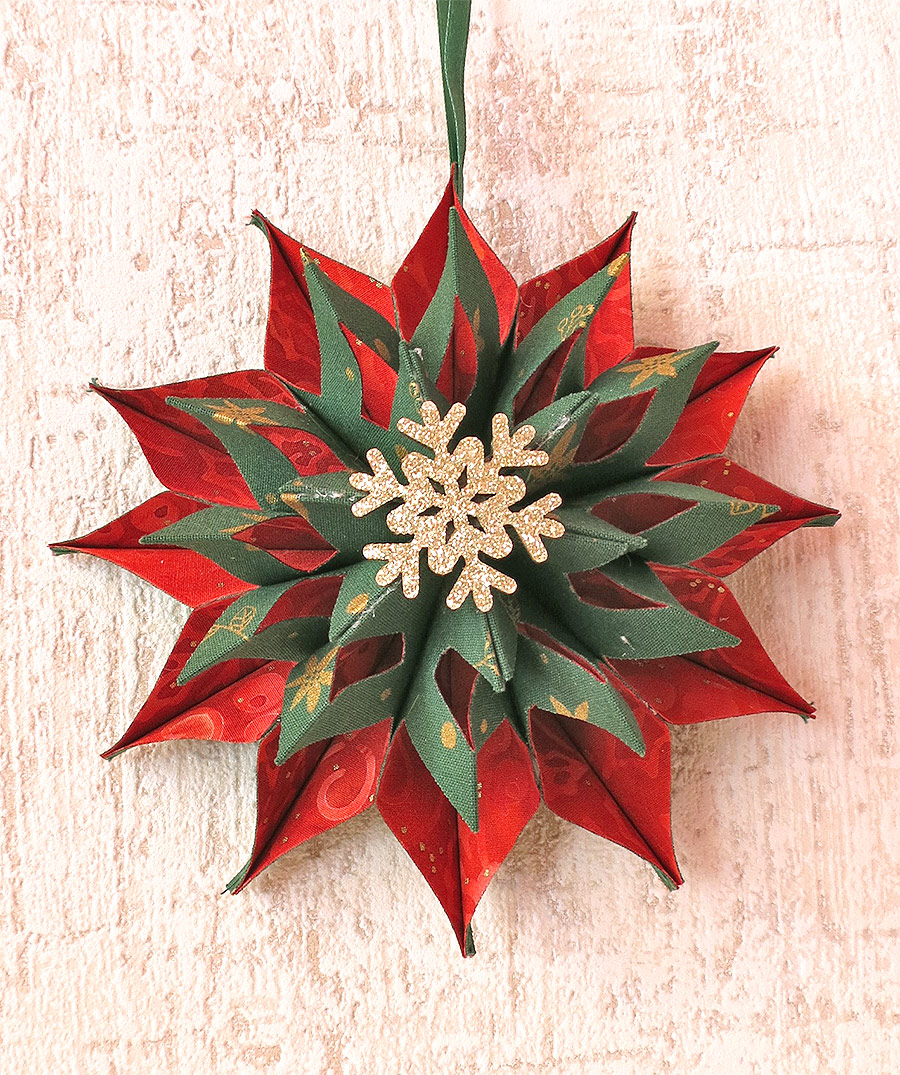
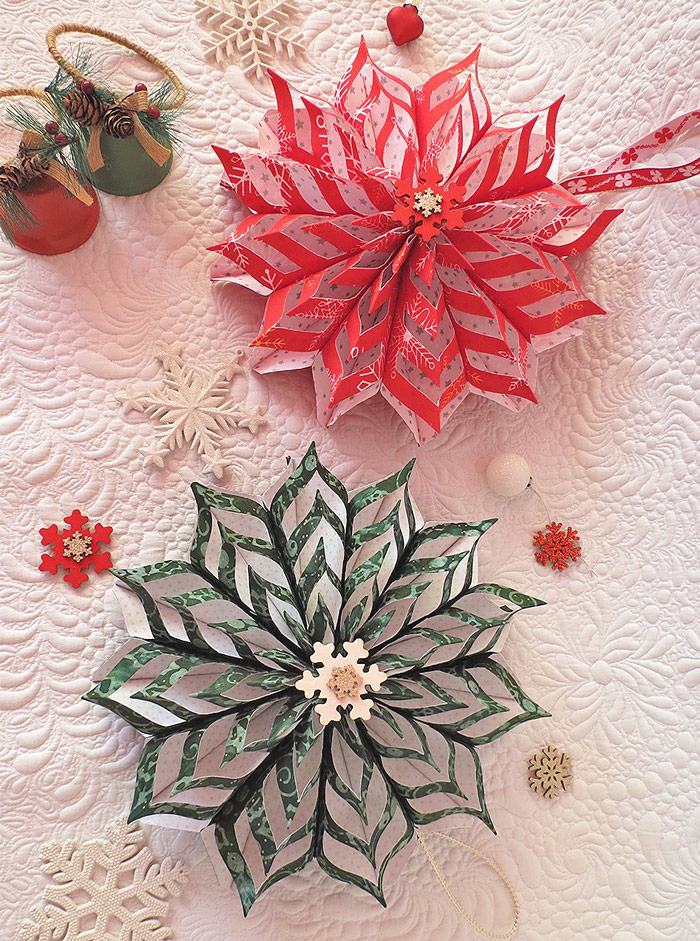
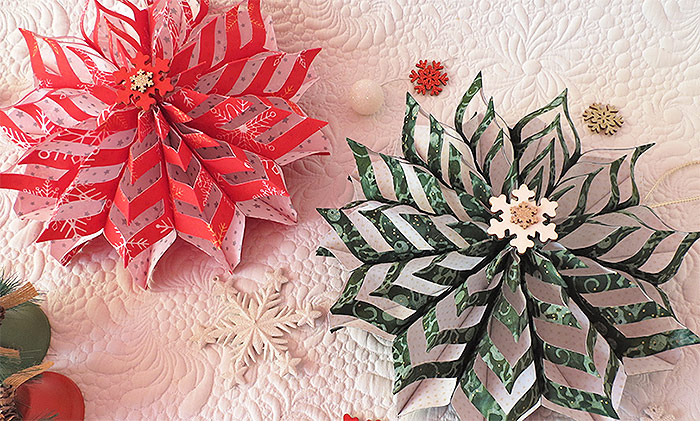
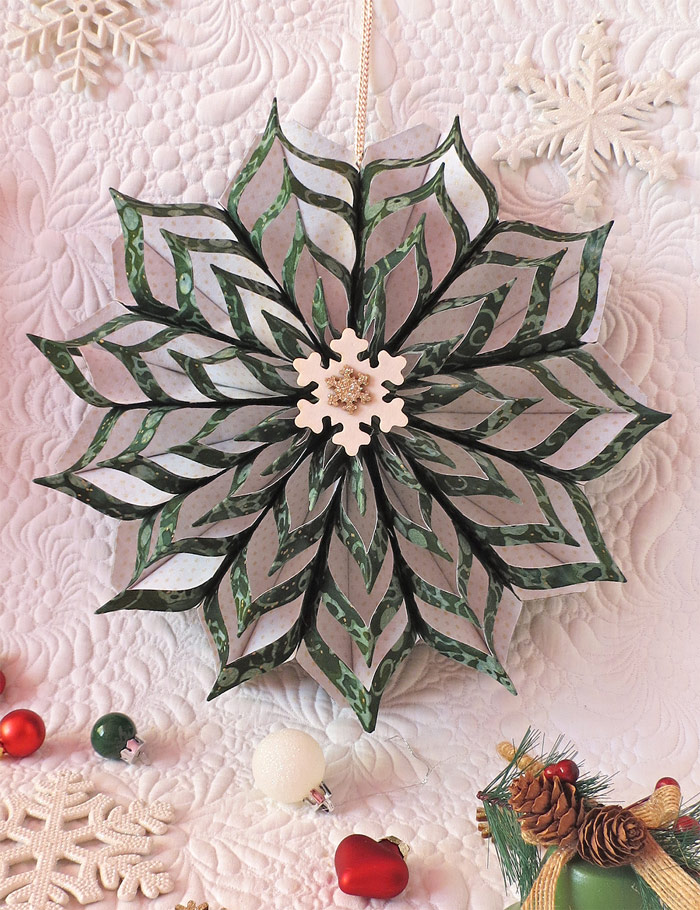
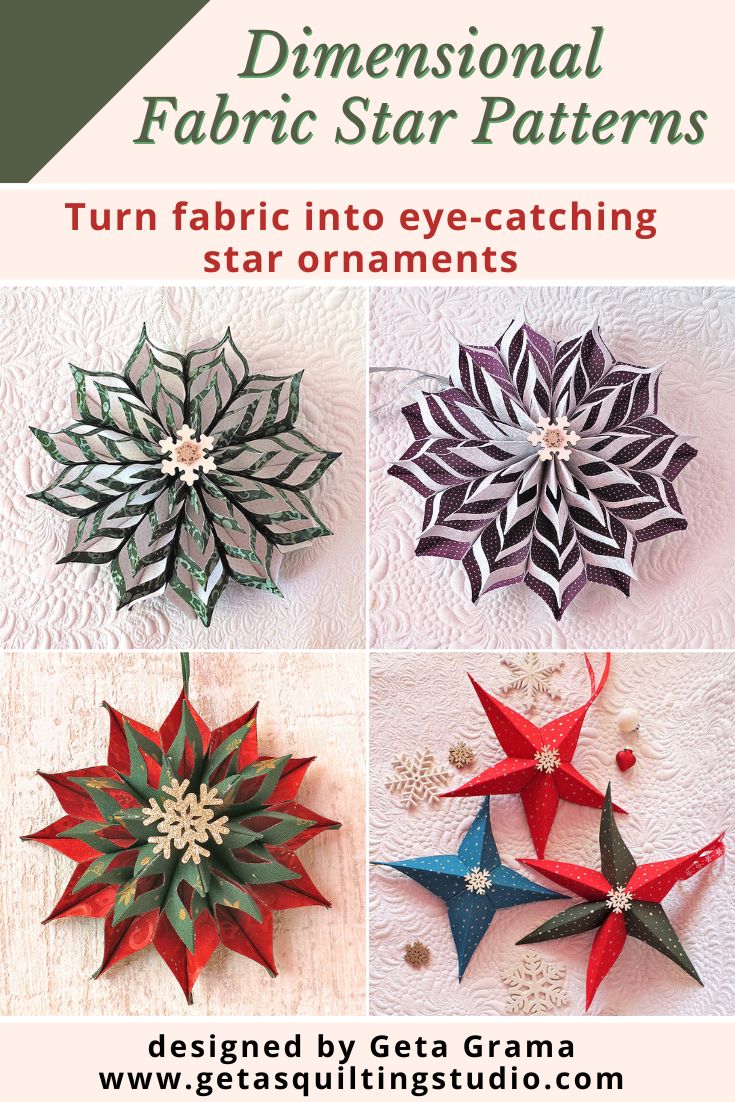
I used a regular glue stick for all the stars below.
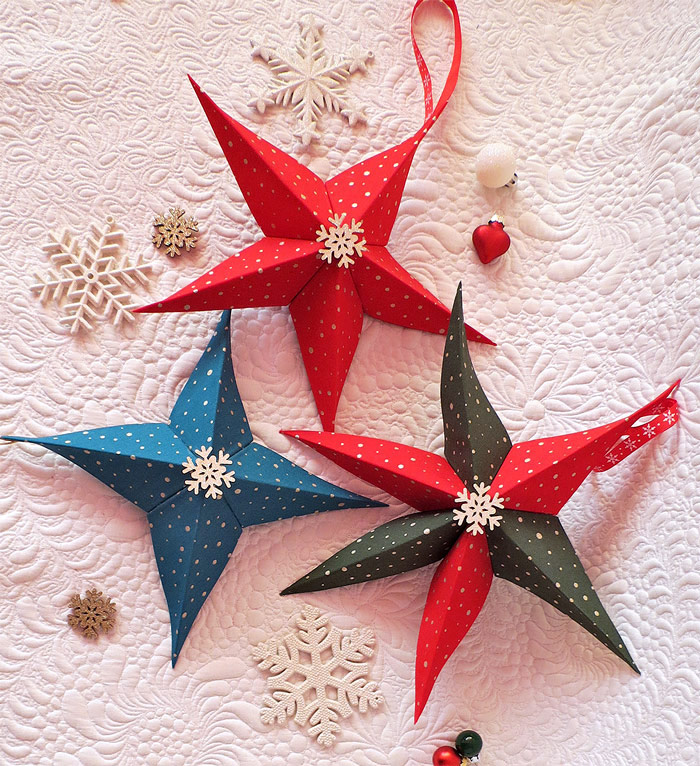
When a Stronger Adhesive Makes Sense
For projects that will be:
- handled often
- kept year after year
- need extra strength at stress points,
a stronger adhesive is a better choice.
Glues labeled PERMANENT, such as Beacon Fabri-Tac or Aleene’s Original Fabric Fusion, are commonly used for fabric projects and provide a stronger, longer-lasting bond. Hot glue is another option.
That doesn’t mean you must always use them — but it helps to choose the adhesive based on how the finished piece will be used.
A Few Words About Hot Glue (Because It’s Not All the Same)
Hot glue can be handy with fabric, but it also has its own learning curve.
What makes a difference (and you should follow):
- Let the glue gun heat fully (at least 5 minutes).
- The glue should flow smoothly and look glossy, not stringy.
- Work in small sections and join pieces immediately.
- Press firmly and don’t shift the pieces for at least 20–30 seconds.
- Always let the glue cool completely before moving to the next step of the project.
Hot glue is especially helpful for securing centers or attaching embellishments — places where strength matters!
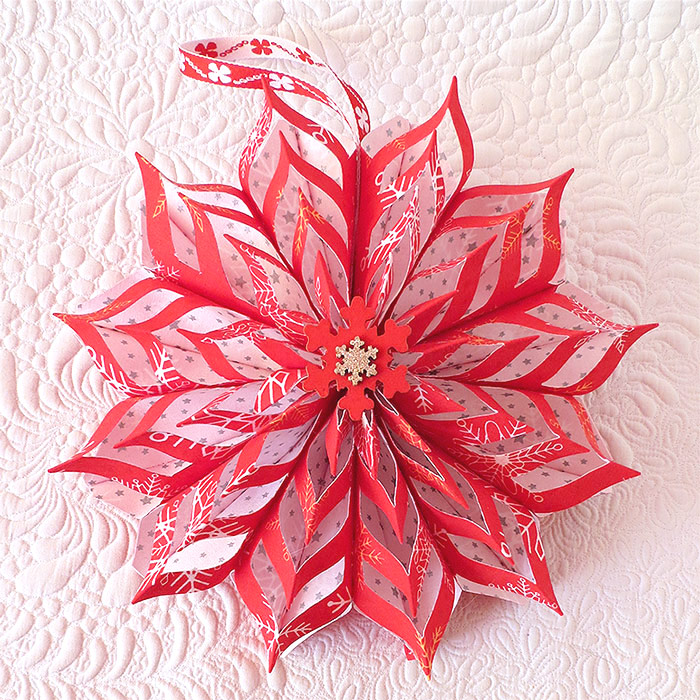
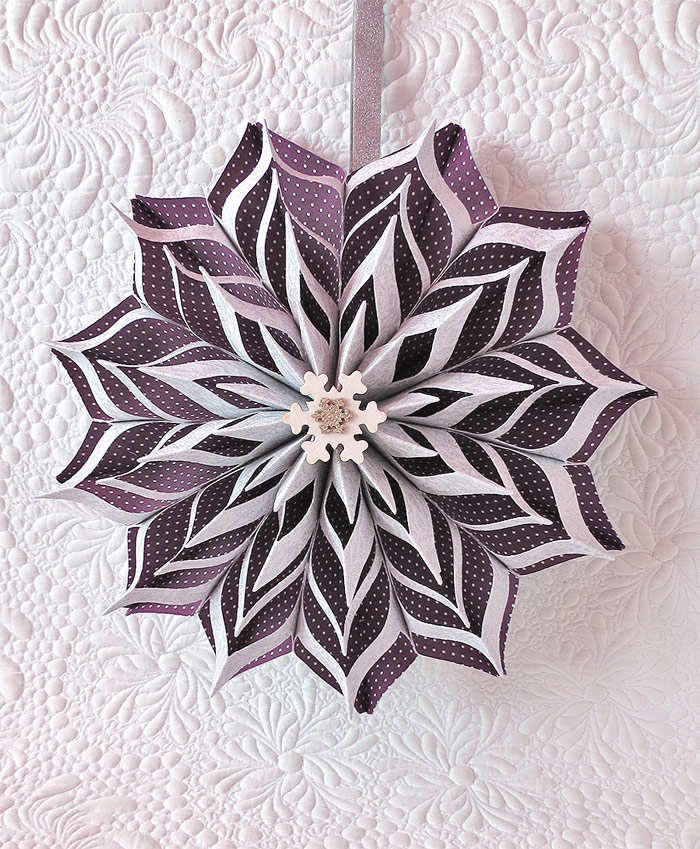
I made this star with hot glue, from start to finish.
About Glue Gun Power (Yes, Even a Small One Can Work)
Glue guns vary in power. Low-wattage glue guns (around 20 W) are often sold for light craft use and run at lower temperatures, meaning the glue cools faster.
I used a 20 W glue gun for one of my projects, and the star stayed securely assembled. The key was working carefully and following the tips above.
That said, higher-temperature glue guns (40–60 W) can make things easier. Hotter glue flows better, stays workable slightly longer, and gives you a bit more margin for error — especially with layered fabric.
The Biggest Lesson
Fabric glue isn’t unreliable — it just asks for a little understanding.
Once I stopped rushing and followed these steps, glue became a reliable (and even enjoyable) part of my process.
If you’ve ever had a glued project fall apart, don’t assume you failed – the glue probably just needed more time!
Would you like to create stars like these?
Patterns available HERE.


Your stars are beautiful and the information about glues and how to use them very helpful! If we allow ourselves, we never stop learning. Thanks!
I totally agree with everything that Kathleen said. Thank you for being our teacher as well as a source of wonderful information and patterns. You are an inspiration to all of us.
I so admire you for showing your mistakes. Not everyone is confident enough to do that! Now, that being said, I love the stars. I need to make some for next year to hang in my windows. They would also be a good gift.