How to Frame Quilts: A Simple Guide to Turn Quilts into Wall Art
Framing a quilt is one of the easiest ways to transform it into stunning wall art.
Why I Love Framing Quilts
There’s no need for binding. Binding can be time-consuming!
Plus, once placed in a frame, your quilt will hang perfectly flat, with no stretching or distortion!
This makes the whole process faster and easier, which is why framing has become one of my favorite ways to finish smaller quilts or wall art quilts.

This technique is especially great for art quilts, mini quilts, or quilts with words and quotes, because the frame gives them a polished, gallery-ready look — almost like a painting.
In this guide, I’ll show you step-by-step how to frame quilts using commercial picture frames.
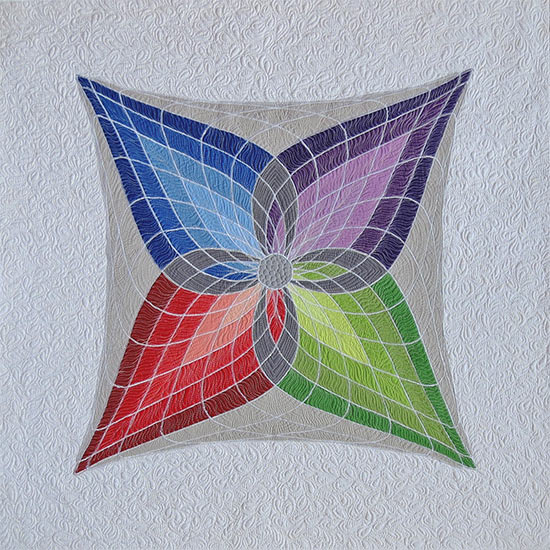
First, here is my latest quilt. I made the top years ago, and I thought it would stay unfinished forever, but I needed a special gift, and I just had to finish it.
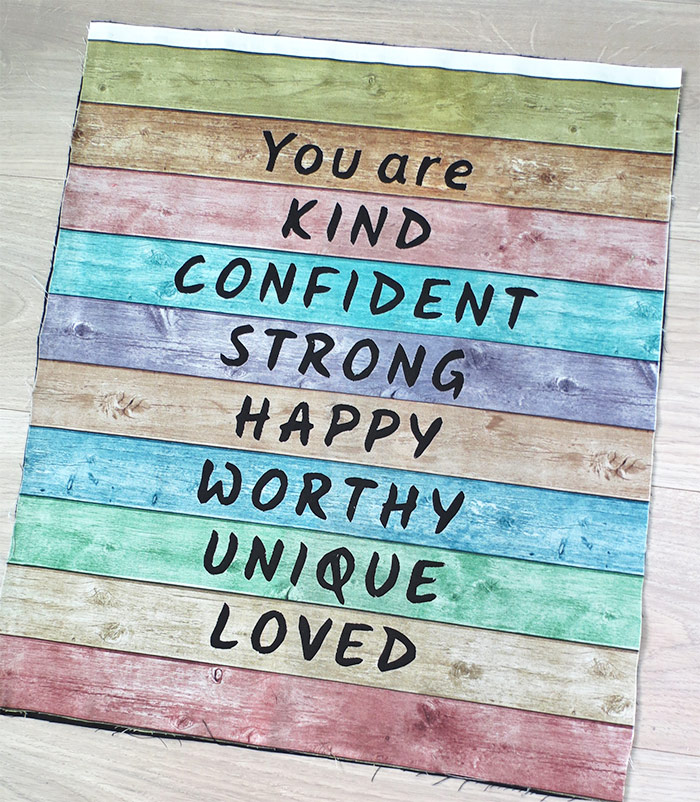
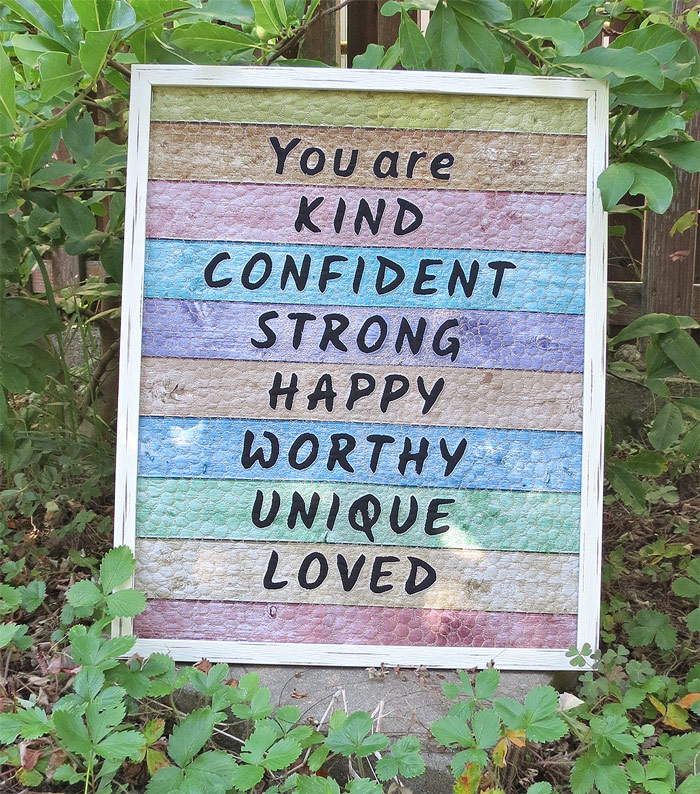
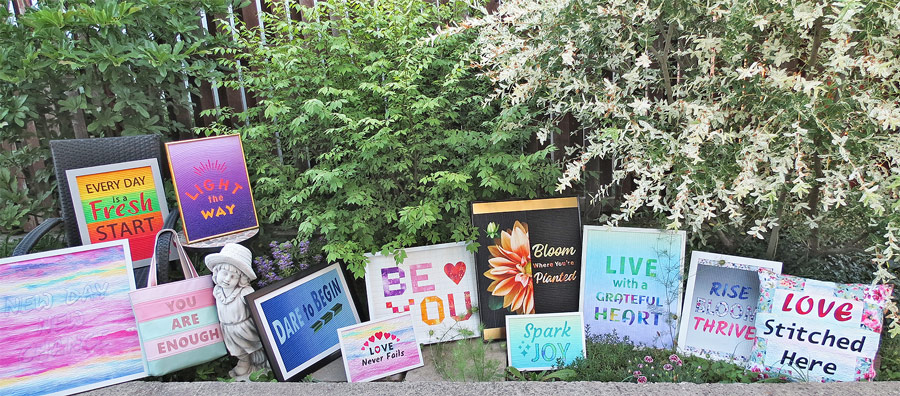
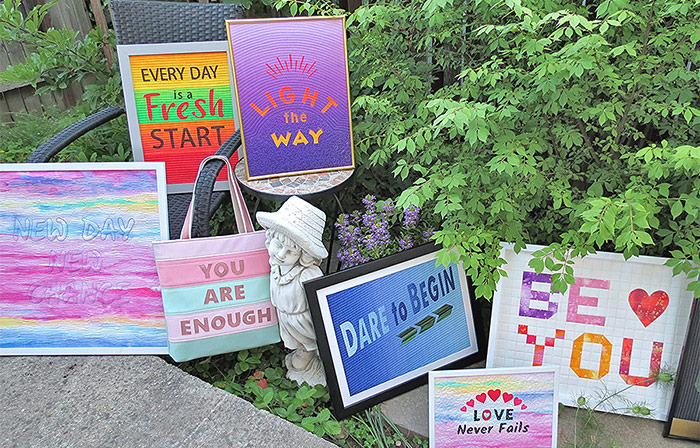
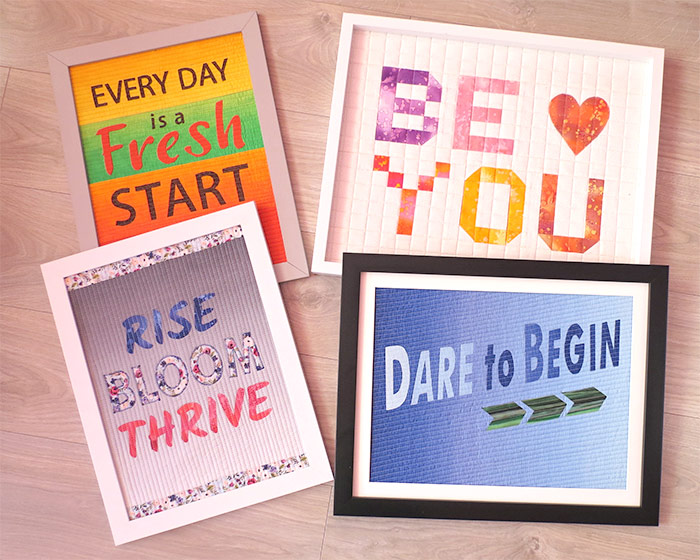
Below you can see some of my framed quilts, from my Stitches of Hope, Quilts of Encouragement patterns.
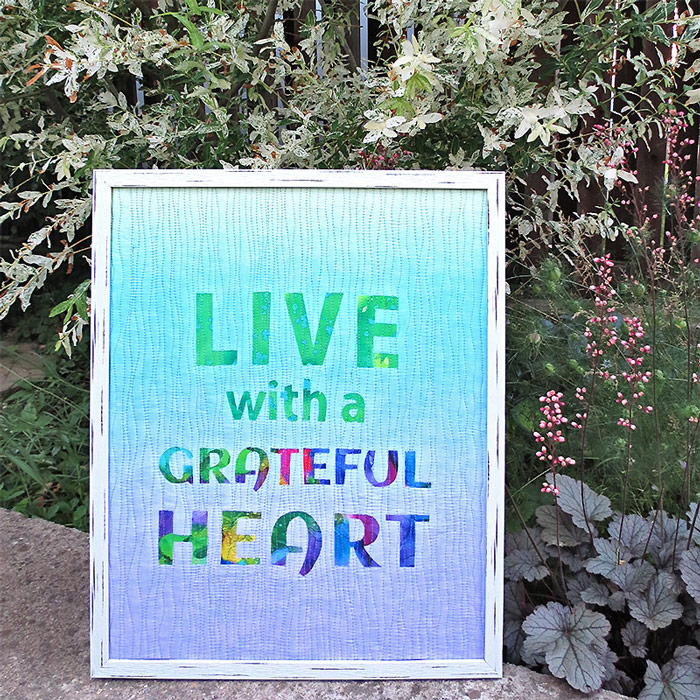
I used commercial picture frames for these quilts. When I first started this series, I didn’t plan to frame all of them (only the very small ones), so it was a challenge to match my quilts to the standard frame sizes. But along the way, I learned so many valuable lessons, and now I’m excited to share them with you.

Choosing the Right Frame for Your Quilt
Standard Frame Sizes
When learning how to frame quilts, the first thing to consider is selecting a frame that fits your quilt perfectly. Most frames come in standard sizes, so PLANNING IS KEY!
Here’s what to do:
- Estimate the size of your quilt before you start.
- Select a frame that closely matches those dimensions.
If you can’t find a frame in the exact size of your quilt, here is what you can do:
3. If the frame is too big:
- Increase the size of your design to match the size of the frame, or
- Add wider borders or background fabric, while keeping the design centered and balanced.
4. If the frame is too small: reduce the size of your design.
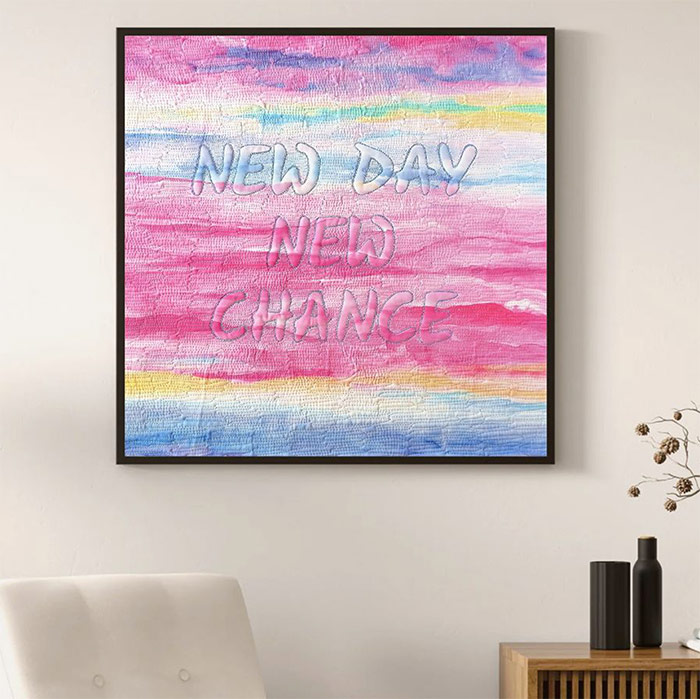
First Rule of Framing Quilts – Summarized
Do not make the quilt first, then search for a matching frame!
Plan in advance so your quilt fits beautifully.
Common Mistakes When Framing Quilts: Learn from My Mistakes!
Frame too tall or wide
Sometimes you’ll need to get creative – those gold horizontal strips you see are actually made of cardstock.

Cropping designs
Initially, I wanted to turn the quilt below into a pillow.
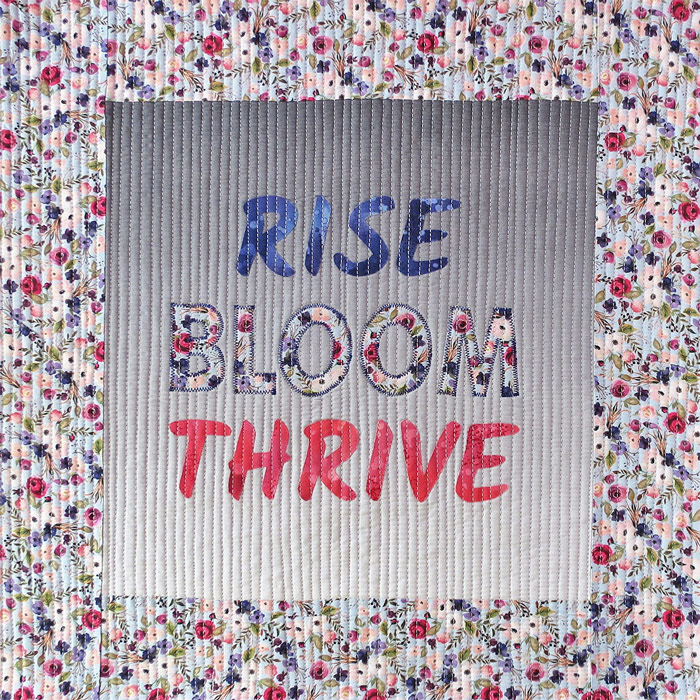
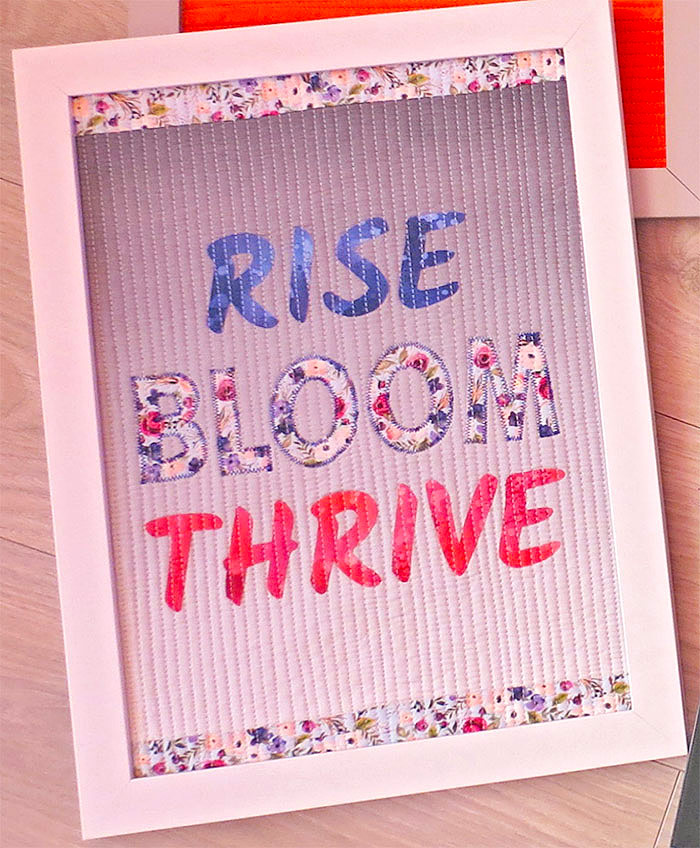
Framing it was faster, but the only frame I had was too small, so I trimmed the borders.
Avoid cutting into appliqué or borders — instead, resize early in the process.
STEP-by-STEP: HOW TO FRAME QUILTS
What you need:
Here’s the quickest technique for framing quilts that uses a standard picture frame.
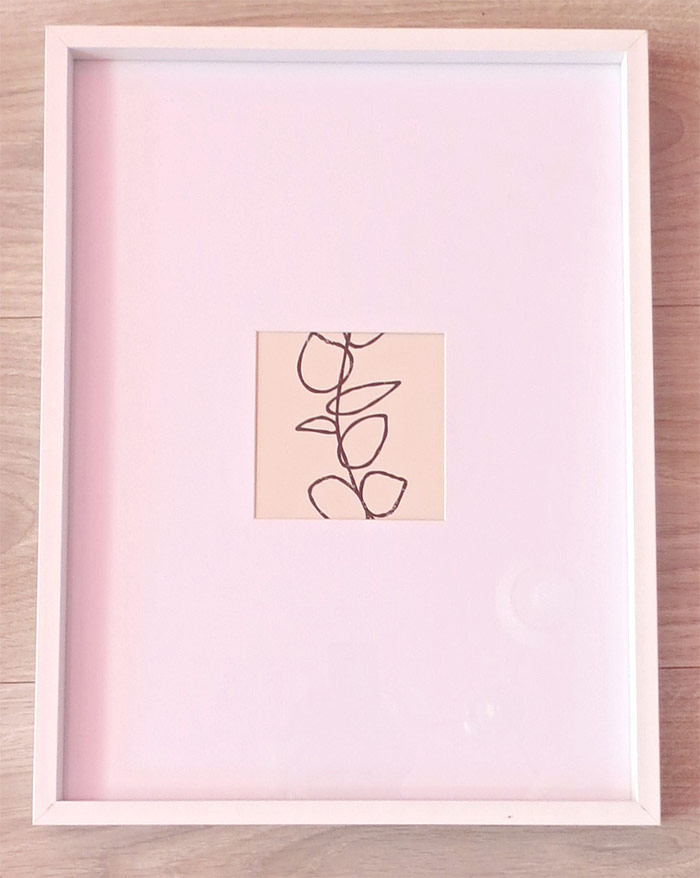
Choose a simple or decorative frame, depending on your style and the style of your quilt.
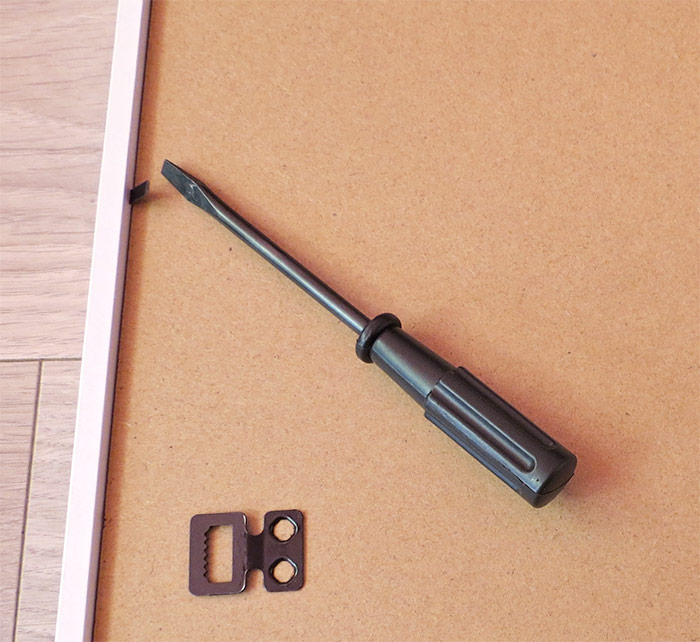
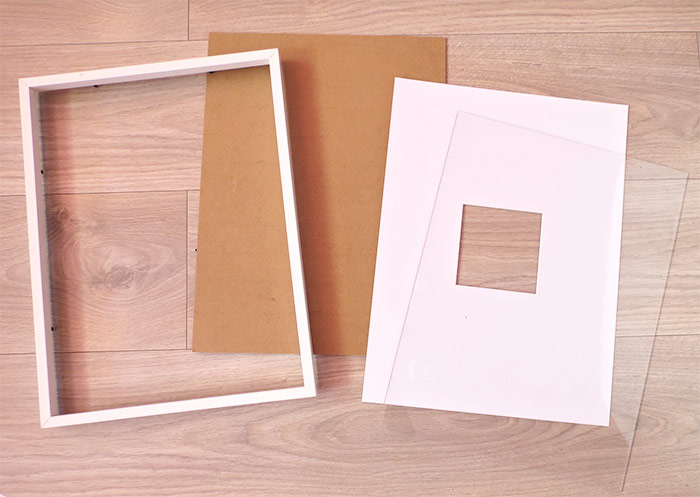
Use a screwdriver to remove the MDF (or cardstock) backboard.
Some frames come with a mat board, a piece of cardboard with a cut-out center, which can help highlight your quilt. Many frames also include glazing (glass or plastic), but when framing quilts, I usually skip it — I don’t want to hide the texture and beauty of the quilt under glass.
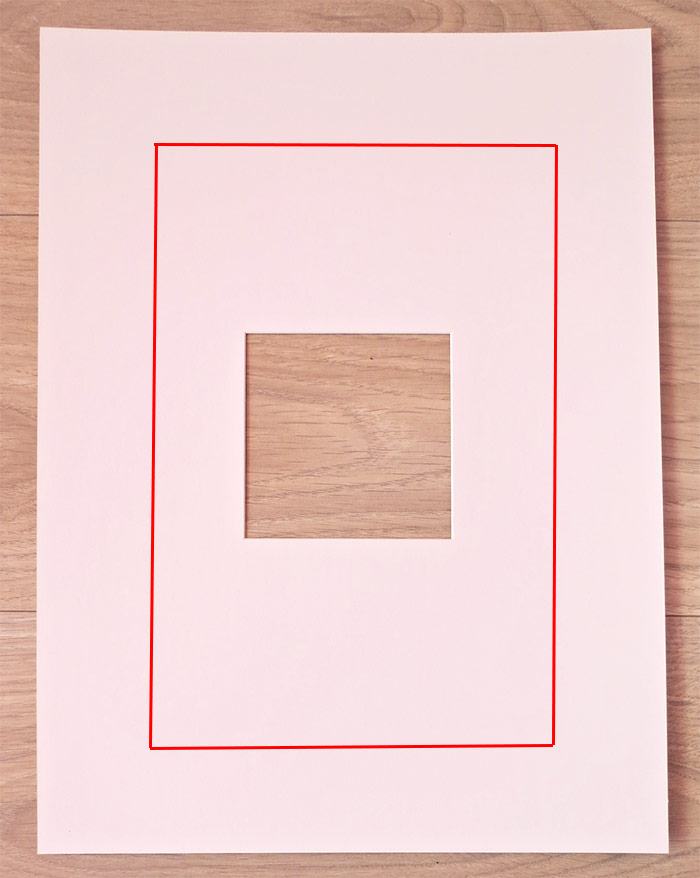
Using this mat is optional, but I find it interesting for two reasons: you can adjust the size of the cut-out center, making it bigger to fit your needs, and the best part: you can cover it with fabric (one of the fabrics used in your quilt), making it a special addition to your framed quilt.
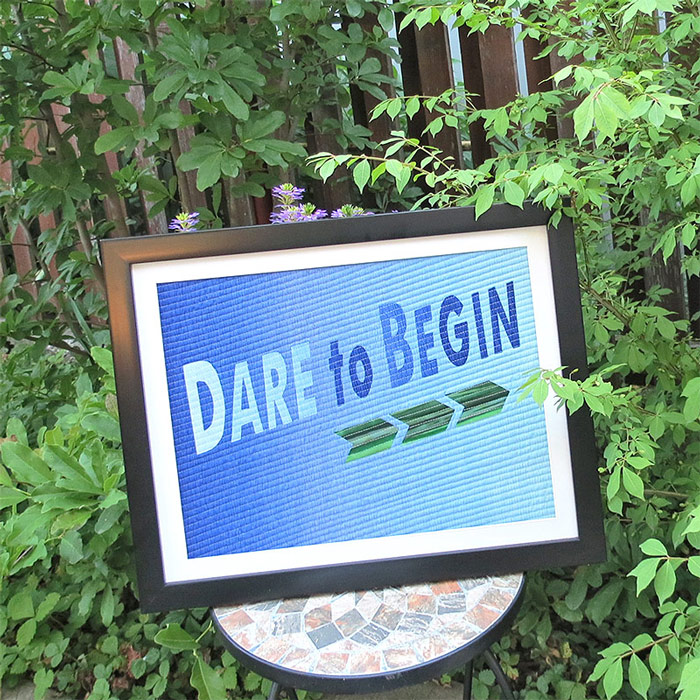
Here is one of my quilts, framed with this mat with a large open center.
Steps in framing your quilt:
STEP 1: QUILT YOUR PIECE
Quilt as desired.
This piece was free-motion quilted…
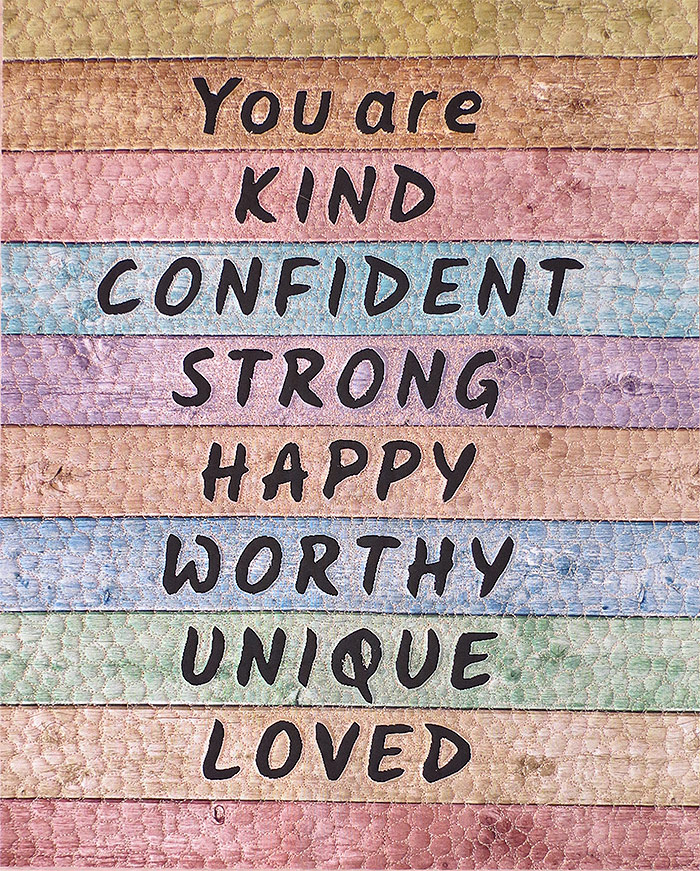
… but you can sew a dense quilting like this one with the walking foot.

When the quilting is done, press with steam and trim your quilt to the size of the backboard.
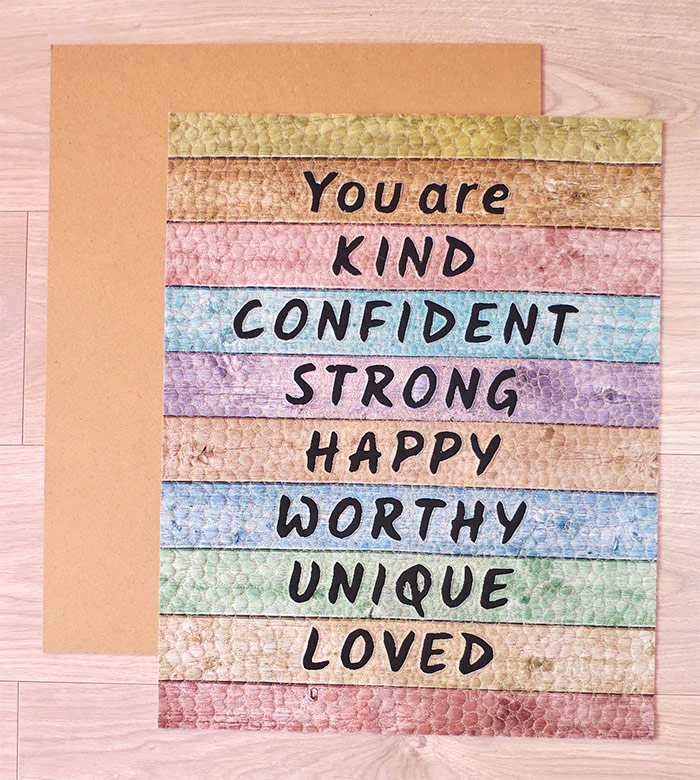
Step 2: How to attach the quilt to the backboard when framing quilts
You have several options depending on how long you want your quilt placed into the frame.
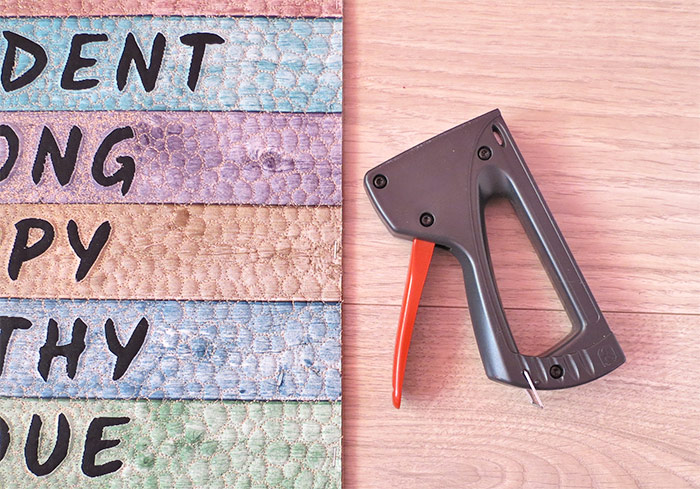
1. STAPLES – if the quilt will stay forever in that frame
Pay attention to insert them very close to the edge, so they won’t show when the quilt goes under the frame.
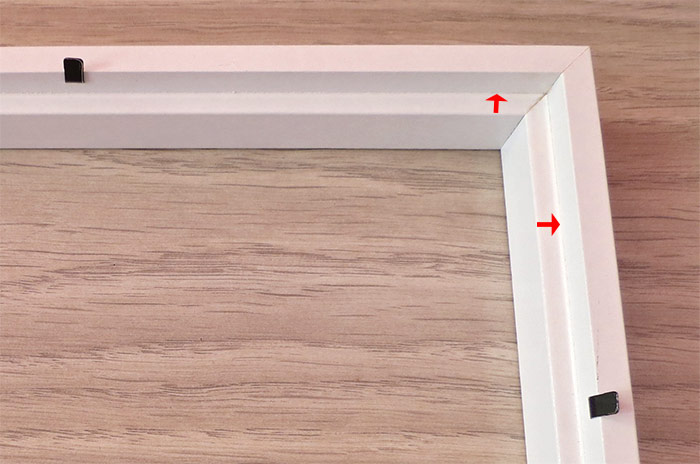
There are all kinds of frames, if you can, choose a wider frame; below you see the back of the frame; if that space marked with the red arrows is wider, the quilt will stay better into the frame and there is more space available for staples.
2. Double-sided tape – Great for temporary mounting.
3. Glue
Use water-based glue if you might want to remove it later, or permanent glue for a lasting hold.
4. Basting – if you want to keep the quilt INTACT
Baste the quilt onto a larger piece of fabric, then stretch and glue that fabric to the back of your backboard.
Step 3: Assemble the Frame
- Attach the quilted piece to the backboard.
- Add the frame mat if desired (covered in fabric for an extra touch).
- Insert everything back into the frame.
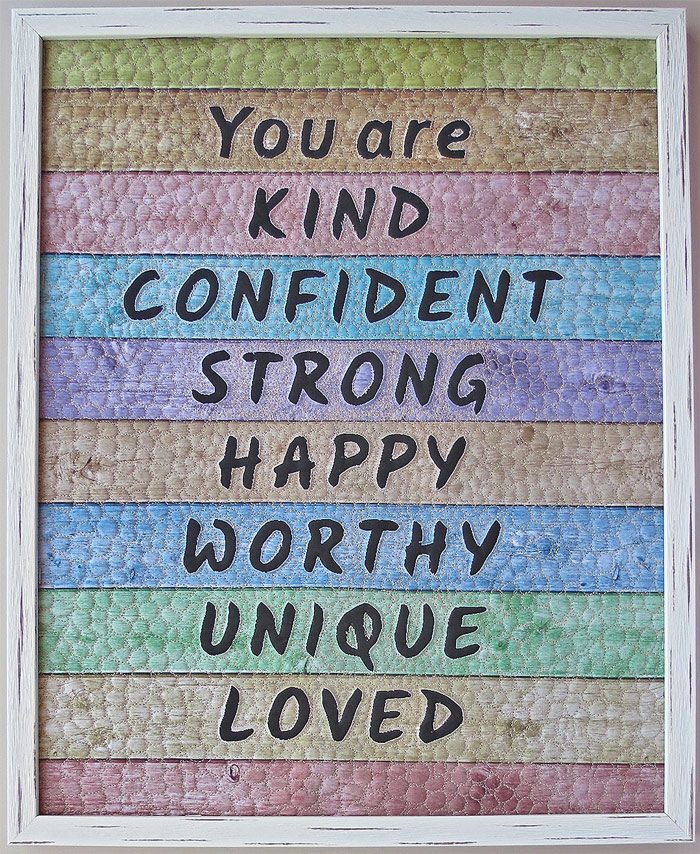
Now your quilt is ready to hang — perfectly flat and beautifully displayed, with no distortion or fuss.
This particular quilt was a gift from one of my sisters to a friend going through a difficult time. Framing it this way makes it a meaningful way to offer encouragement and show support.
Final Thoughts on How to Frame Quilts
- Framing quilts is a quick, practical, and creative way to display your work. Whether you’re making art quilts, memory quilts, or small inspirational designs, a frame turns them into lasting treasures.
- Remember the key rule: plan your quilt with the frame in mind. That way, you’ll always get a perfect fit and a polished finish.
- Framed quilts make meaningful gifts, uplifting home décor, and timeless keepsakes.
Inspiring Framed Quilts: Stitches of Hope, Quilts of Encouragement
If you’re looking for inspiration, the quilts of the Stitches of Hope Series are perfect for this technique.
These small, encouraging quilts are perfect for framing, turning words of comfort and hope into daily reminders on the wall.
Each quilt in the series is quick to make, easy to frame, and deeply meaningful — ideal for gifting to loved ones or displaying in your own home.